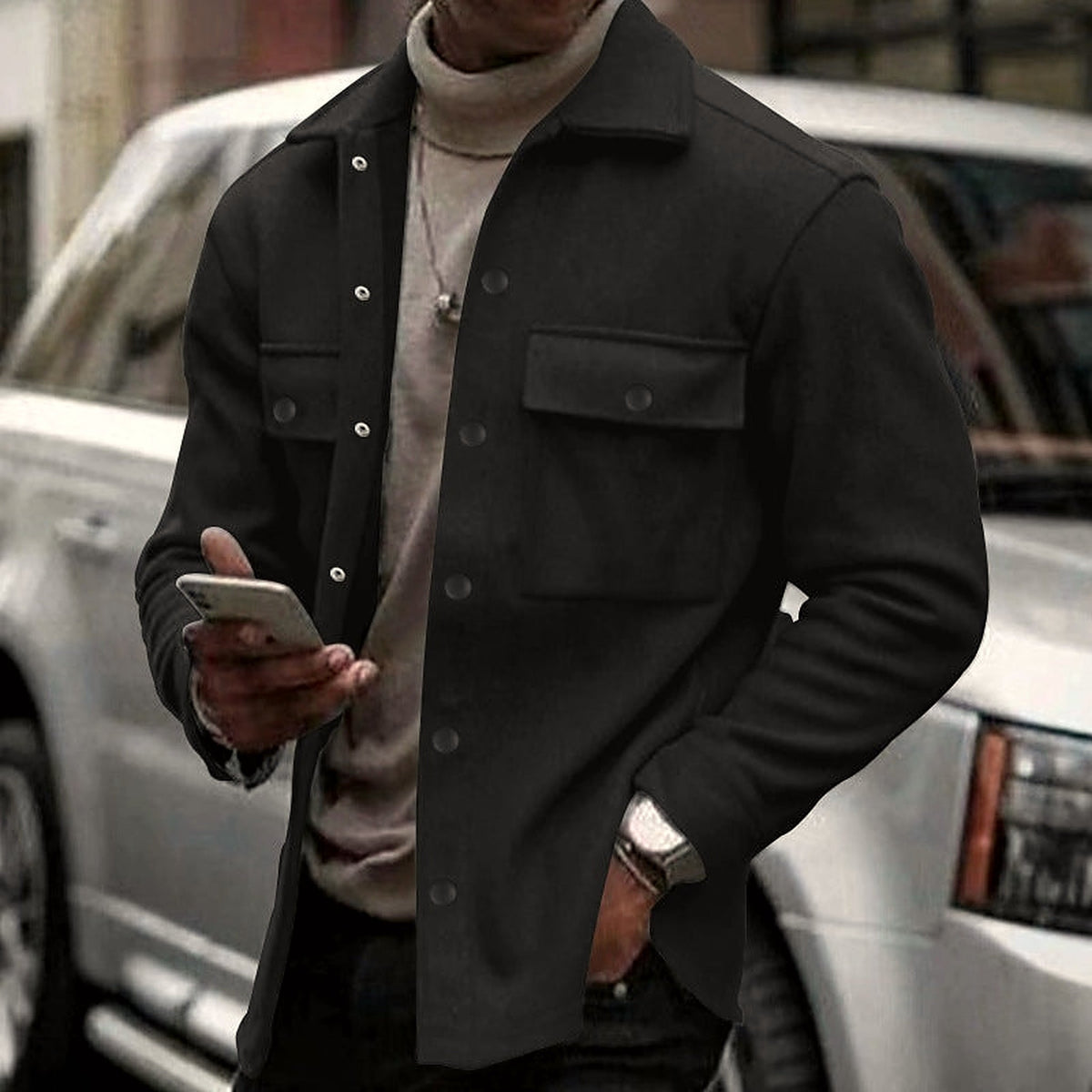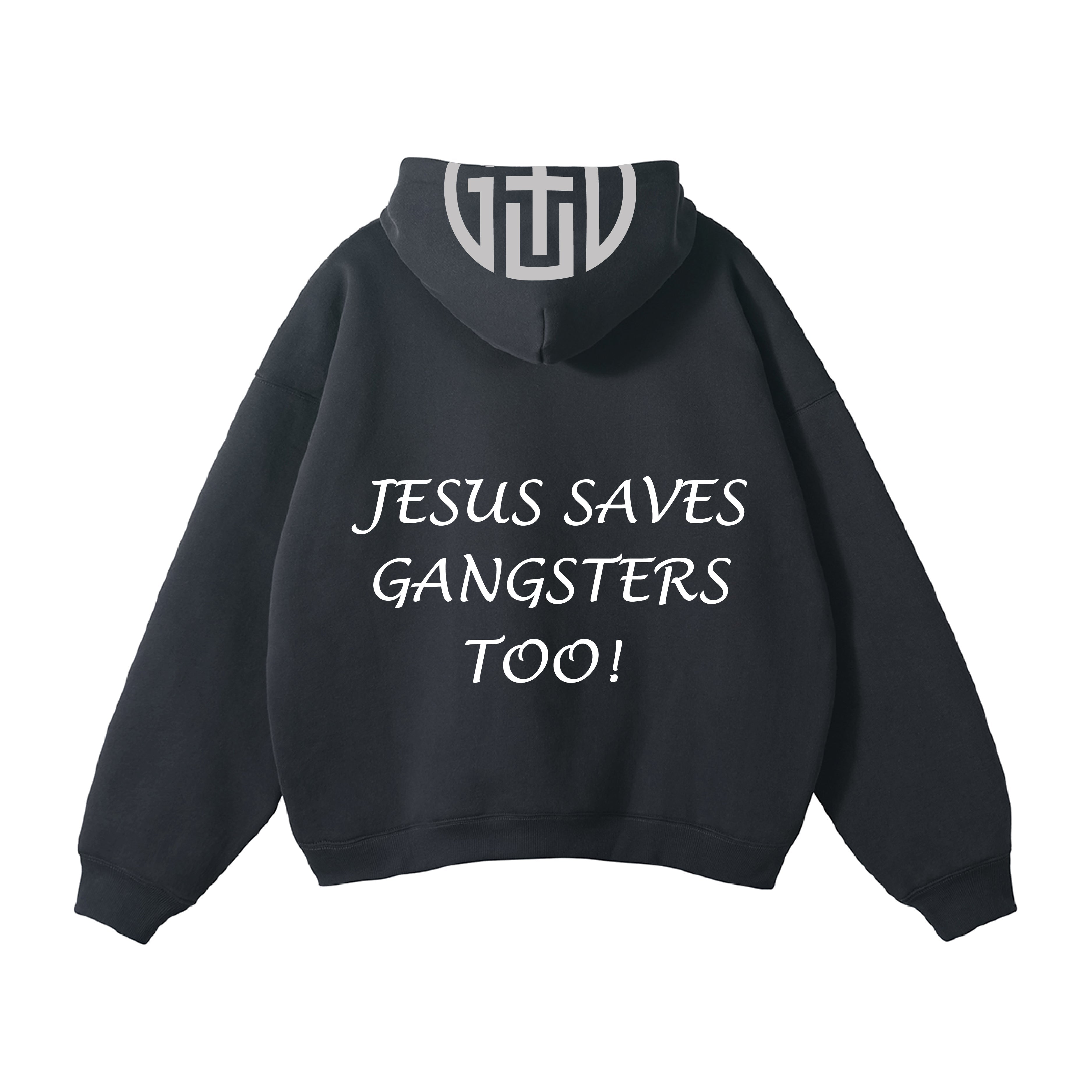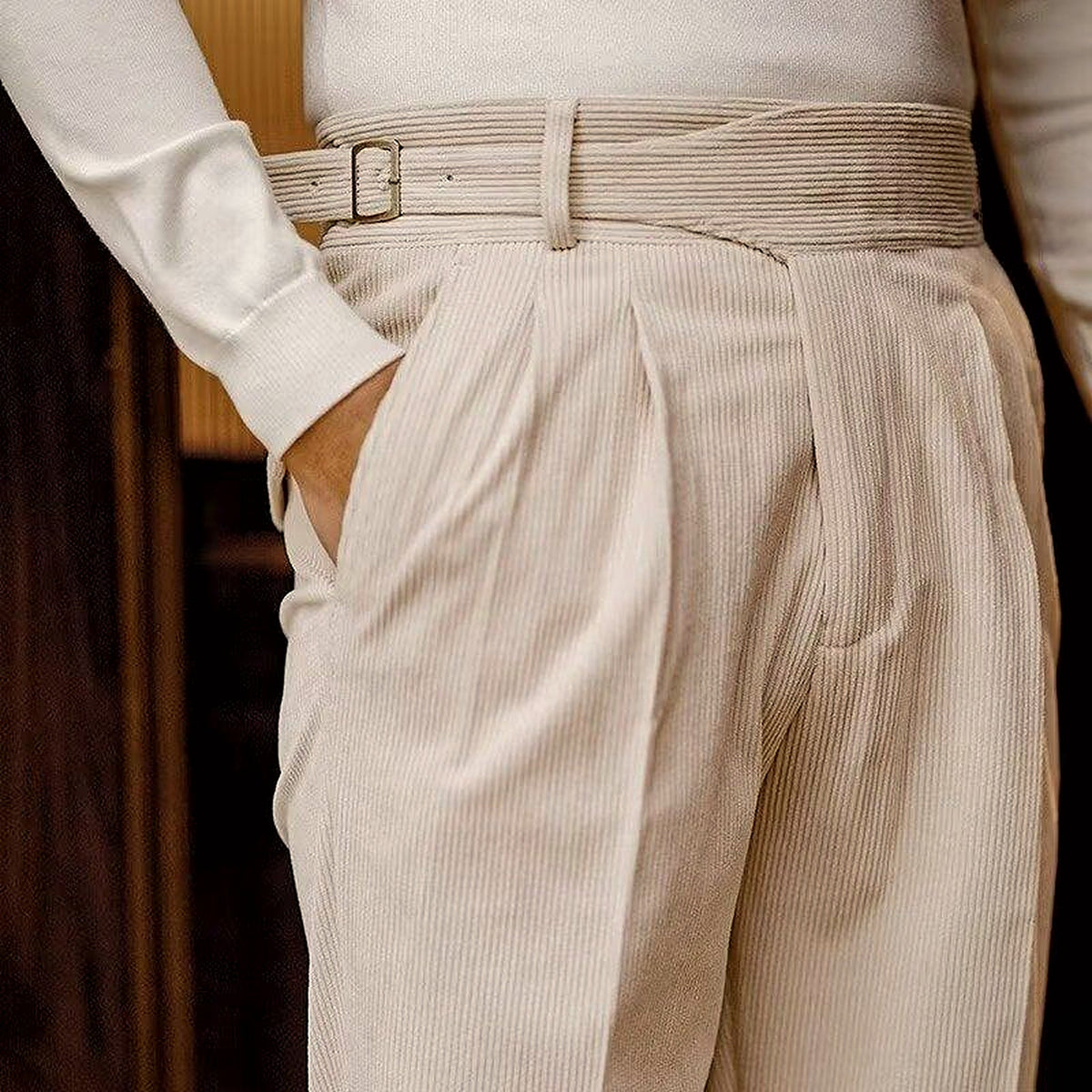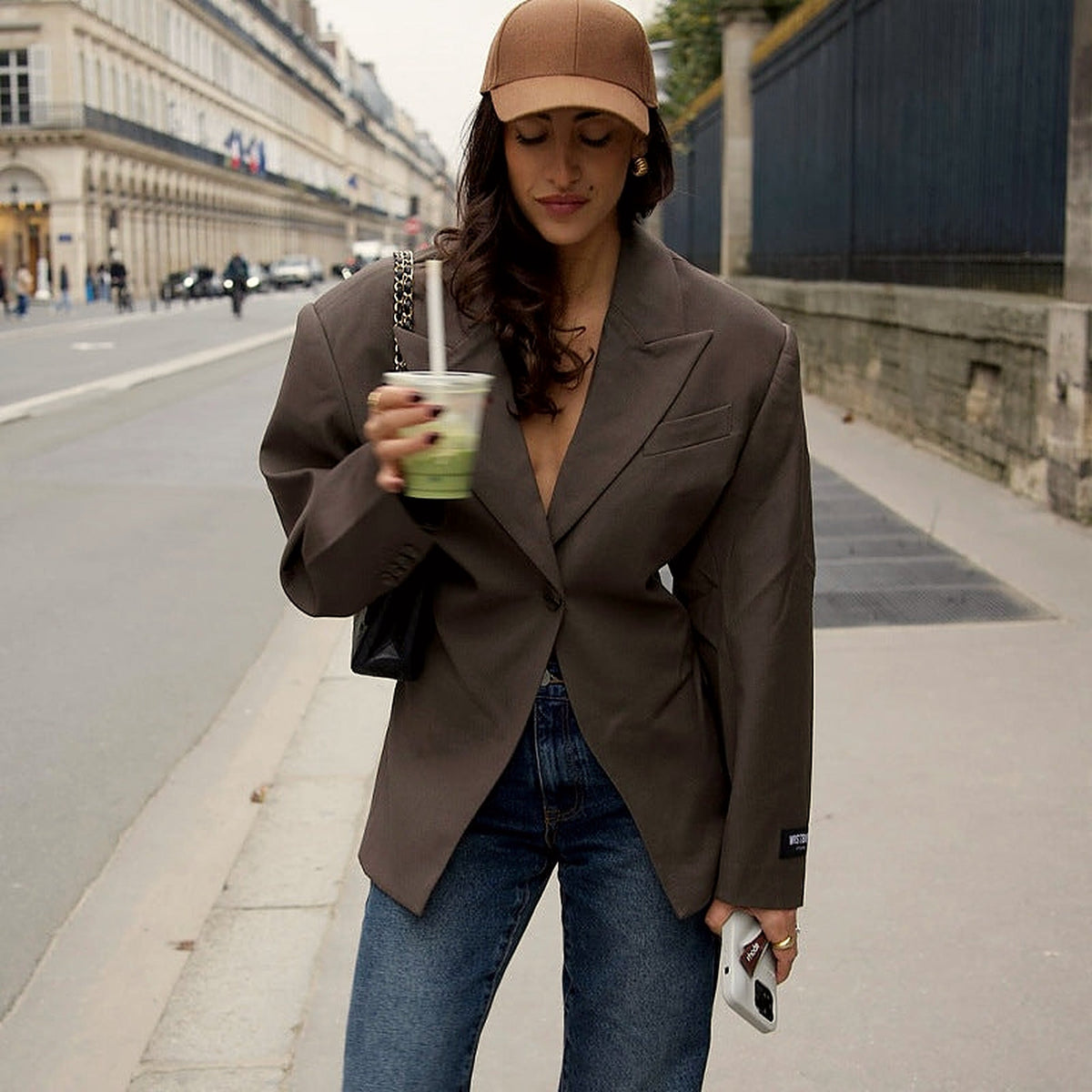

The best mission trip clothing is modest, durable and matched to the place you are going. Follow your host community’s standards, wear closed-toe shoes on work sites, and pack layers for travel days and cool evenings. Then bring enough for the whole trip, because laundry is often not an option. Your outfit should never get in the way of the message you came to share. This guide covers what to wear for work, travel, church and downtime, with a packing table and a few honest notes on choosing pieces you will be glad to wear.
TL;DR
- Dress to respect the host community: modest, conservative and comfortable, following your sending organization’s written guidelines.
- For work projects, think knee-length shorts or pants (where allowed), a T-shirt and sturdy closed-toe shoes. Skip sandals and flip-flops on the work site.
- Travel days call for breathable layers, a hoodie or quarter-zip for cold planes and terminals, and slip-on closed-toe shoes.
- Pack light but complete. Count outfits for the entire trip and check dress codes for church, swimming and evenings with your trip leader first.
Table of Contents
- Start with the host community, not your closet
- What to wear on the work site
- What to wear on travel days
- Adapting to climate and local customs
- Church, swimming and free-time clothing
- Mission trip packing table
- Team shirts and wearing your faith
- Our perspective: wear it on the trip and after it
- Gear up with MODE OF GOD
- Mistakes to avoid when packing
- FAQ
- Sources
Start with the host community, not your closet
Before you buy anything, read your organization’s clothing guidelines. Every country, ministry and even every site within a trip can have different expectations. Praying Pelican Missions advises respectful clothing that follows the host community’s standards, noting that it can build trust and credibility and keep your attire from distracting from the message.
That last point is the heart of it. You are going to serve, not to be looked at. When your clothes draw no attention, people notice your work, your patience and your faith. Clothing that is too tight, too short or too flashy can create a barrier before you have said a word.
There is a second reason to pack carefully. The FCA’s Go Guide recommends packing lightly to manage your luggage and to avoid reinforcing the “rich American” stereotype. A suitcase stuffed with a different outfit for every day sends a message too. A few well-chosen, versatile pieces say more about a servant’s heart.
Ask your trip leader these questions first
Send your leader a short list before you shop:
- Is there a written dress code, and does it differ for work days, church and free time?
- Are shorts allowed for men? For women? How long should they be?
- Will we have laundry access, or do I pack for every day?
- What is the weather expected to be, including nights?
- Will we get team shirts, and how often are we expected to wear them?
- Are there items I should leave home, such as jewelry, expensive watches or clothing with large logos?
Written answers beat guesses. If the guidelines are silent on something, choose the more conservative option.
What to wear on the work site
Most mission trips involve physical service: building, painting, hauling, running a kids’ program or helping at a clinic. Your work outfit should hold up to dirt, sweat and repeated wear.
For work projects, Praying Pelican Missions recommends knee-length shorts or pants, a T-shirt, and sneakers, work shoes or boots. It also suggests bringing a sweatshirt, coat or rain gear as needed. That is a solid baseline for most teams.
Shoes matter more than shirts
Work-site safety is where outfit ideas stop being about style. Guidance from One World Surgery’s 2026 Honduras packet reflects what many mission organizations require: closed-toe shoes and durable, protective clothing for physical labor, with sandals, flip-flops and mesh-top sneakers discouraged. The same packet notes that safety gear like work gloves and safety glasses is often required on construction or medical sites. Ask whether your team supplies them or expects you to bring your own.

Break in your boots or work shoes before you leave. Blisters on day two of a five-day build are a miserable, avoidable problem.
Building a work outfit that lasts
- Pants: Look for durable, flexible fabric that lets you squat, climb and lift. Quick-drying fabric helps if you will be sweating or caught in rain.
- Tops: Bring several T-shirts you do not mind getting dirty. Cotton or blends that breathe are easier to live in than heavy fabrics.
- Layers: A light sweatshirt or jacket handles early mornings and sudden temperature drops.
- Extras: A hat, sunglasses and sunscreen. Lifeline’s Guatemala handbook lists sunglasses, sunscreen and lip balm on its packing list for good reason.
If your destination is cool or mountainous, our Men’s Breathable Climbing Pants and Fleece-Lined Outdoor Pants are the kind of everyday outdoor pants worth considering for service days, once you have confirmed with your leader that pants of that style fit the dress code.
What to wear on travel days
Travel days can last twelve hours or more, and you will move through airports, vans and sometimes a long wait at a border or terminal. Aim for comfortable, breathable clothing that moves with you.
- Layers: Planes and terminals run cold. A hoodie or quarter-zip is easy to take on and off, and doubles as a pillow when you need one.
- Shoes: Slip-on, closed-toe shoes make security lines faster and keep your feet protected when you step off the bus into a dusty lot.
- Pants: Choose a stretchy, comfortable pair you will not need to adjust all day.
- Team gear: Many groups wear matching shirts on travel days so leaders can spot everyone in a crowd. Confirm the plan so you do not pack the wrong color.
Pack your heaviest items on your body, not in your bag, and keep one fresh shirt and a change of underwear in your carry-on in case checked luggage is delayed.
A simple travel-day outfit
A comfortable T-shirt, a breathable pair of pants, a zip or pullover layer and slip-on sneakers will work for almost any trip. Add socks you are happy to wear for a long time. If your team shirt is part of the plan, wear it on top of your base layer so you can swap in a clean one at the other end.
Adapting to climate and local customs
Weather and culture both shape your clothes, and they sometimes pull in opposite directions. A hot, humid destination may tempt you toward shorts and tank tops, while local norms may call for long sleeves and longer hemlines. Modest and breathable is the goal: loose, lightweight fabrics that cover more.
A real example: Guatemala
Lifeline’s 2026 Guatemala handbook shows how specific a dress code can be. It asks for seasonally appropriate, modest, conservative and comfortable clothing. It gives average temperatures of 66 to 72°F and warns that evenings can be cool, so it recommends a light jacket. It also provides separate work and church clothing guidelines.
For women, the same handbook says to cover the midriff, chest, back, underwear and bra. It says to avoid shorts, yoga pants, leggings and other tight pants (except in dorms for sleeping), and to avoid tank tops, halter tops, spaghetti straps and low necklines. Sleeveless tops are allowed.
That is one organization’s rules for one country, so treat it as an example of detail, not a universal standard. Your trip may be stricter or more relaxed. The lesson is to find your own written guidelines and follow them to the letter.
Cool nights and highland climates
Many people are surprised by how chilly a mission trip can be. Highlands, rainy seasons, drafty dorms and open-air gatherings all call for warmth. If your trip is in a cooler region, pack:
- A fleece or warm sweatshirt for evenings
- A light rain jacket or windbreaker
- Warm socks for sleeping
- A beanie if your trip runs through colder months
A reversible fleece sweatshirt like The Bethany Reversible Fleece Sweatshirt gives you two looks in one piece, which helps when you are packing light. Fleece-lined gear is made for cooler weather, so skip it for hot, humid destinations.
Church, swimming and free-time clothing
Work clothes are only one part of the schedule. Most trips include worship, a visit to a local church, meals with host families and some downtime.
Church and ministry events
Pack at least one or two outfits that are a step up from your work clothes. For women, that often means a modest dress or skirt that falls below the knee, or a knee-length-or-longer option with a covered top. For men, clean, long pants and a collared or neat shirt are a safe choice. Your organization may publish separate church guidelines, as Lifeline does, so check.
Swimwear
If you are near a beach, river or pool, ask whether swimming is part of the plan. Praying Pelican Missions recommends modest swimwear: women’s bathing suits should cover the midriff, and men should wear modest, long swimming trunks or shorts. Many teams add a T-shirt over the suit.
Dorms and downtime
Even when you are off duty, you are still among people who know you are a visiting Christian team. Comfortable sweatpants or a hoodie-and-pants set works well for evenings, provided you stay within the dress code of your host site. Lifeline’s guidance, for instance, makes an exception for tight pants only in dorms for sleeping.

Mission trip packing table
Use this as a starting point and adjust to your trip’s written guidelines.
| Situation | What to wear | Notes |
|---|---|---|
| Work site | Knee-length shorts or pants (if allowed), T-shirt, boots or sturdy sneakers | Closed-toe shoes only; bring gloves and glasses if required |
| Travel day | Breathable layers, hoodie or quarter-zip, slip-on closed-toe shoes | Keep a spare shirt in your carry-on |
| Church | Modest dress, skirt or neat pants and shirt | Ask whether there is a separate church code |
| Evenings | Light jacket, fleece or sweatshirt, long pants | Evenings can be cool even in warm regions |
| Swimming | Modest suit or long trunks, plus a cover shirt | Only if your leader confirms swimming |
| Rain | Light rain jacket or poncho | Choose something packable |
| Sleeping | Comfortable sleepwear that follows dorm rules | Check expectations for shared spaces |
What else goes in the bag
Lifeline’s Guatemala list gives a good model: clothing and shoes that follow the guidelines, plus a refillable water bottle, flashlight, toiletries, sleepwear, sunglasses, sunscreen, lip balm and personal medications. It also says laundry is unavailable, so bring enough clothing for the entire trip. Always confirm your own trip’s list, since laundry access varies. Talk to your doctor or travel clinic about medications and health needs for your destination.
Team shirts and wearing your faith
Many groups order matching shirts for identification, unity and sometimes fundraising. If your team does, wear them when asked and follow the leader’s plan, since a matching shirt is often what lets a local host find your group in a crowd.
Beyond team gear, the clothes you bring are part of your witness. A shirt with a clear, gracious message can open a conversation, but keep it appropriate to the setting. Check that any slogan or graphic is respectful in the local culture and language, and ask your leader if you are unsure. If you want to choose faith-based tees thoughtfully, our guide to choosing religious graphic tees walks through what to look for.
Our perspective: wear it on the trip and after it
We built MODE OF GOD around a simple idea: your faith is not for Sundays only. Our ‘Garments of Salvation’ message and our ‘No Grey Area’ message come from the same conviction, that what you wear can say who you belong to, every day.
A mission trip is that conviction in motion. You are choosing to leave comfort behind and serve, so the clothes you take should serve too. We design men’s and women’s hoodies, tees and matching sets to be worn in real life, not kept in a drawer, which is why we think about layers, comfort and the conversations a piece can start.
Our advice is to keep your trip wardrobe small and purposeful. Choose a few pieces you love, that fit your destination’s guidelines, and that you will keep wearing when you get home. A hoodie that kept you warm on a cold travel day or a cool highland evening becomes a reminder of the people you served. Always follow your host’s dress code first. Then let the clothes you bring carry your faith quietly and boldly at the same time.
vainway
Gear up with MODE OF GOD
If you are heading to a cooler destination, or you want layers for flights and evenings, start with our hoodies, sweaters, tees and more. Our designs are made for faith-driven streetwear buyers who want to wear their convictions boldly, and they carry the ‘Garments of Salvation’ and ‘No Grey Area’ messages.

A few pieces to look at for cooler trips and travel days: the Fleece-Lined Hoodie & Pants Set for flights and evenings, and the Isaiah 40:31 Eagle Embroidered Jacket for a warm outer layer. For site work in cooler weather, see The Joseph Patchwork Workwear Jacket. Check each product page for sizing and details, and confirm with your trip leader that a style fits your dress code before you order. Prices and availability are on the product pages.
Mistakes to avoid when packing
- Skipping the written guidelines. Assumptions about what is appropriate cause the most awkward moments.
- Packing too much. Heavy luggage is hard to move, and the FCA’s advice about packing lightly applies to every trip.
- Bringing new, untested shoes. Wear them for weeks before departure.
- Forgetting layers. Cold planes and cool nights catch many first-time travelers off guard.
- Ignoring local sensitivity on graphics. A slogan that reads clearly at home may be misunderstood abroad. Ask first.
- Leaving no room to return. Pack a little space for gifts and for the clothes you may leave behind to a local partner, if your leader suggests it.
FAQ
What should I wear on a mission trip?
Wear modest, durable, comfortable clothing that follows your host community’s standards and your organization’s written guidelines. For work, that usually means knee-length shorts or pants, a T-shirt and closed-toe shoes, with a sweatshirt or rain gear for changing weather. Bring one or two nicer outfits for church.
Can I wear shorts on a mission trip?
It depends on the destination and the group. Some organizations accept knee-length shorts for work projects, while others, like Lifeline in Guatemala, ask women to avoid shorts altogether. Ask your trip leader and follow the written dress code.
What shoes should I wear on a mission trip?
Choose closed-toe, sturdy shoes such as sneakers, work shoes or boots for the work site, since many mission organizations discourage sandals, flip-flops and mesh-top sneakers for physical labor. For travel days, slip-on closed-toe shoes are easy at security. Break them in before you leave.
What should I wear on the flight to my mission trip?
Wear comfortable, breathable layers you can add or remove, such as a T-shirt with a hoodie or quarter-zip, plus slip-on closed-toe shoes. Keep a spare shirt in your carry-on. If your team has matching shirts, ask whether to wear them while traveling.
How many outfits should I pack?
Pack enough for the entire trip if laundry is not available, as Lifeline notes for its Guatemala trip. Choose mix-and-match pieces in a few colors so you can pack light. Confirm laundry access with your leader before you finalize your bag.
Sources
- Mission Trip Clothing Guidelines, Praying Pelican Missions
- Lifeline Mission Trip Handbook: Guatemala, January 2026
- Packing, FCA Go Guide
- 2026 Honduras Informational Packet, One World Surgery